Spring on the taiga and tundra
Spring in the taiga forests of Pasvik and the Varanger peninsula tundra.
ARCTIC NORWAY
Frode Falkenberg
6/6/20051 min read




The last days of May and the first week of June 2005 (28 May - 6 June) was spent in northernmost Norway this spring. The main aim was to do some pre-breeding studies of the Red-Throated Pipit at the tundra on the Varangerhalvøya near Vadsø in Finnmark county. However, we (Professor Göran Högsted and myself) were able to fit in a few days at the start in the Pasvik valley taiga forest.
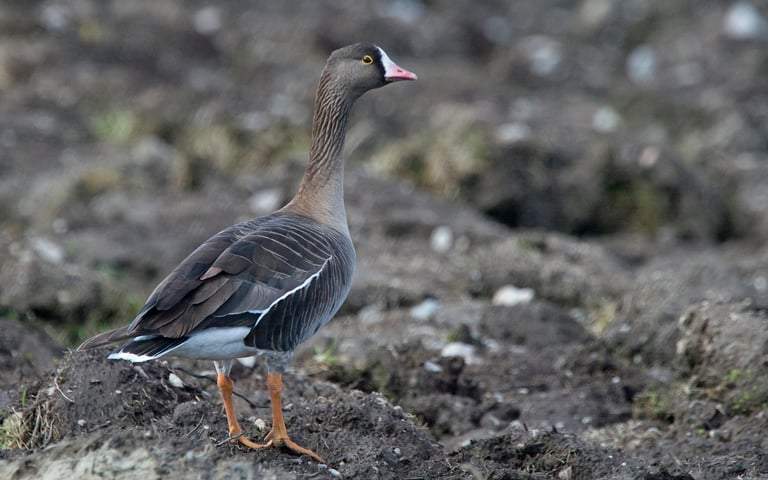
The Pasvik valley is placed at the crosspoint of Norway, Russia and Finland. The valley is an unique habitat in Norway, with regular breeding birds such as Great Grey Owl, Broad-billed Sandpiper, Spotted Redshank, Little Gull, Arctic Warbler and Little Bunting. All these species are rarities in all other Norwegian counties. We were to early for most of them, but did at least witness the fligh-courtship of Spotted Redshanks, as well as seeing great numbers of birds that usually are not annual on my species lists. On the last day, we ran across a subadult Lesser White-fronted Goose that was resting on some ploved fields. A really great and unexpeced experience with the most threatened bird in Norway.
Our drive out to the Varanger peninsula was done in two days, with lots of birding from the car. Huge numbers of Red-necked Phalaropes along the shores and in small ponds inside the shores was the most stunning appearance birdwise. There were lots of birds around, both on land and at sea, and it was strange to experience that the spring was in such an early phase compared to southern Norway.
Then followed six days at Svartnes near Vardö at the Varanger peninsula. The pipit-studies were carried out with extreme accuracy of course, and several adults were color-ringed. Göran will give these individuals further attention later this summer.
Contact
Reach out for prints or collaborations by using the contact form.
Galley shortcuts
Birds
Mammals
Lizards and amphibians
Moths and butterflies
Damselflies and dragonflies
Spiders and allies
Flies
Beetles
Slugs and snails