
Birding the North Cape
Gjesværstappan seabird cliffs packed with Puffins, Razorbills and Gannets.
ARCTIC NORWAY
5/18/20133 min read
The North Cape (Nordkapp) is the northernmost point on mainland Europe, at 71 degrees north. Close to the most popular tourist site you find the small village of Gjesvær with its 120 inhabitants. The way of living is based on direct and indirect harvests from the sea. Bird safari around the bird cliff is one of them.
I was visiting Gjesvær to take part in a meeting with local companies offering products for visiting birders 13 - 15 May 2013. On my drive from Lakselv airport on the 13th. I stumbled upon a first spring male Black Redstart near a place called Repvåg. A rarity in Finnmark county. During the 200 km ride to the North Cape the birding highlights were 17 different Rough-legged Buzzards, a Merlin, about a hundred Tundra Bean Geese (inner Porsangerfjord) and good numbers of Bar-tailed Godwits, well dressed in their red breeding plumages.
During the first night in Gjesvær we experienced the first midnight sun of the year. A beautiful experience. On day two we were invited by skipper Ola Thomassen to go on a safari around the islands of Gjesværstappan. Ola organises daily boat trips around the bird cliffs, and we agreed to go on a ride.
After breakfast we went out with «Lundekongen» (aka «The Puffin King») to do a boat-ride around the stunning cliffs of Gjesværstappan. They are only minutes away from the village by boat. Just outside the harbour tons of birds appeared.
Total species list with numbers 13 - 15 May Gjesvær and Gjesværstappan: Mallard (1 pair), Common Eider (250), Red-breasted Merganser (3 pairs), Great Cormorant (150), European Shag (500), Northern Gannet (900), White-tailed Eagle (15), Golden Eagle (1), Eurasian Oystercatcher (10), Ringed Plover (2), Golden Plover (6), Purple Sandpiper (75), Dunlin (1), Common Gull (3), Black-legged Kittiwake (500), Great Black-backed Gull (50), Herring Gull (350), Common Guillemot (500), Brunnich's Guillemot (3), Black Guillemot (50), Razorbill (3500), Atlantic Puffin (8000), Rock Pipit (5), Meadow Pipit (2), White Wagtail (2), Northern Wheatear (1), Ring Ouzel (10), Redwing (4), Fieldfare (1), Sedge Warbler (1), Hooded Crow (15), Common Raven (10), Common Starling (1), House Sparrow (12), Chaffinch (1), Twite (6), and Snow Bunting (15).
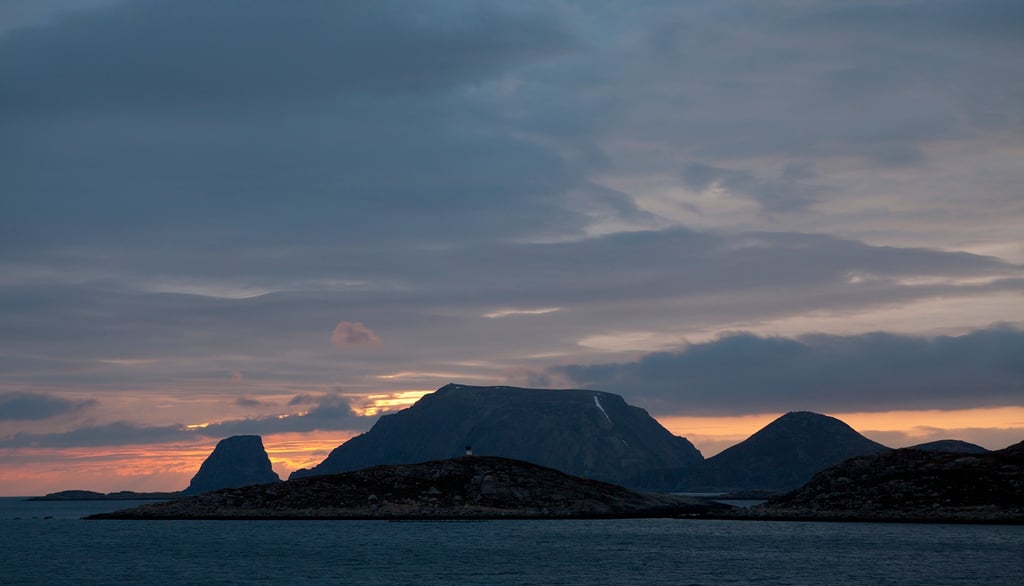
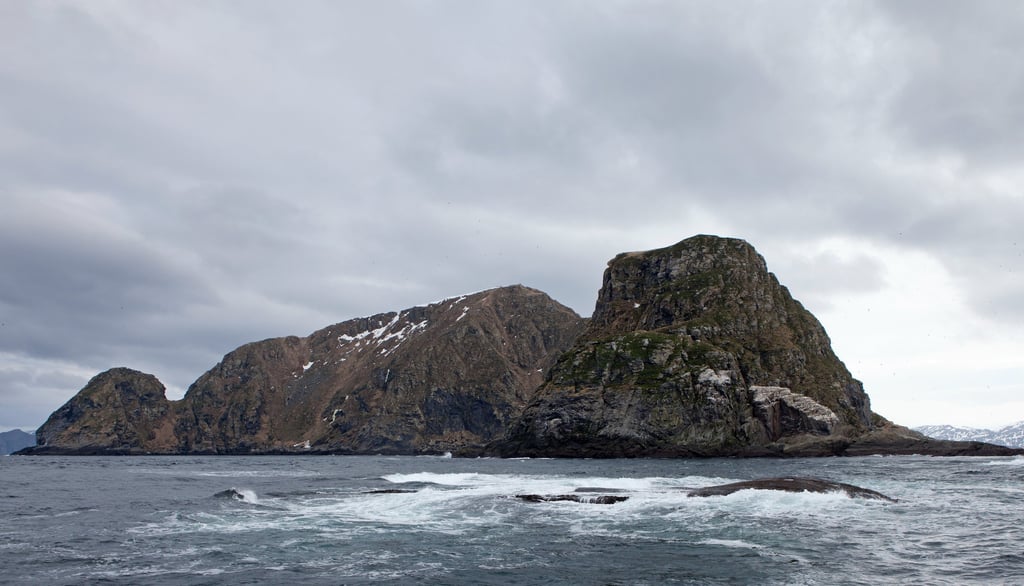
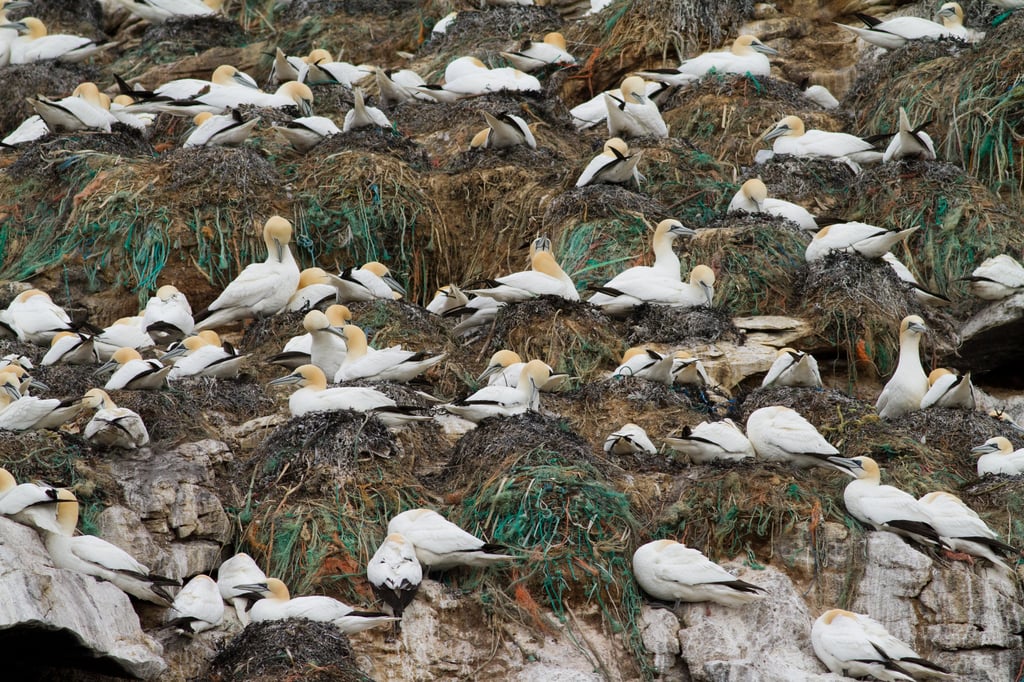
The first to greet us were Shags and Black Guillemots, but as we closed in to the bird cliffs thousands of Atlantic Puffins and Razorbills were swimming and flying around. Both Common and Brunnich's Guillemots were also present. We saw only three Brunnich's, but several hundred Common Guillemots. More than a dozen White-tailed Sea-eagles and an immature Golden Eagle hovered above the bird island all along our trip. However, Gjesværstappan is most famous for the Northern Gannet colony. It it the most northern in the world, and about 1200 pairs are breeding here.
Most pictures in this post are shot from the safari boat «Lundekongen», driven excellently by Ola Thomassen at Birdsafari a/s. A full species list can be found on the bottom of the post.
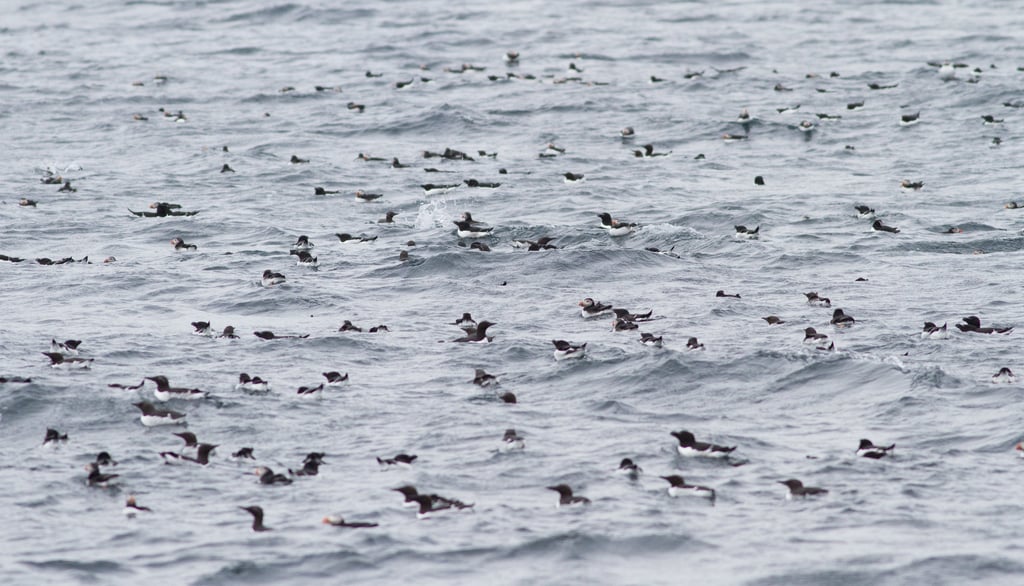
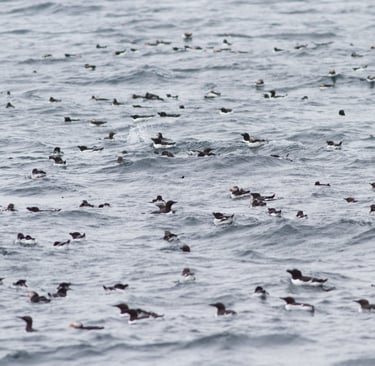
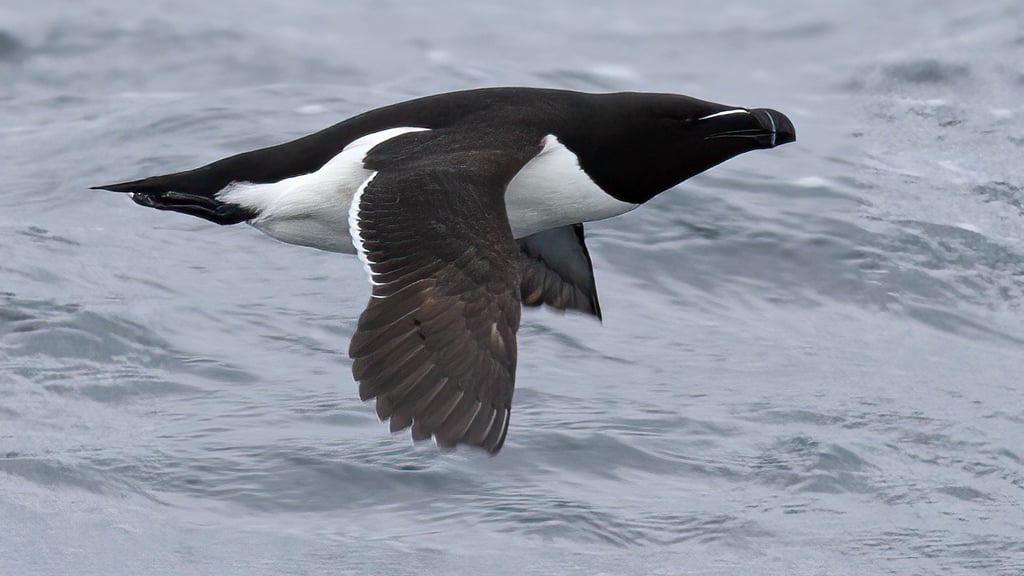
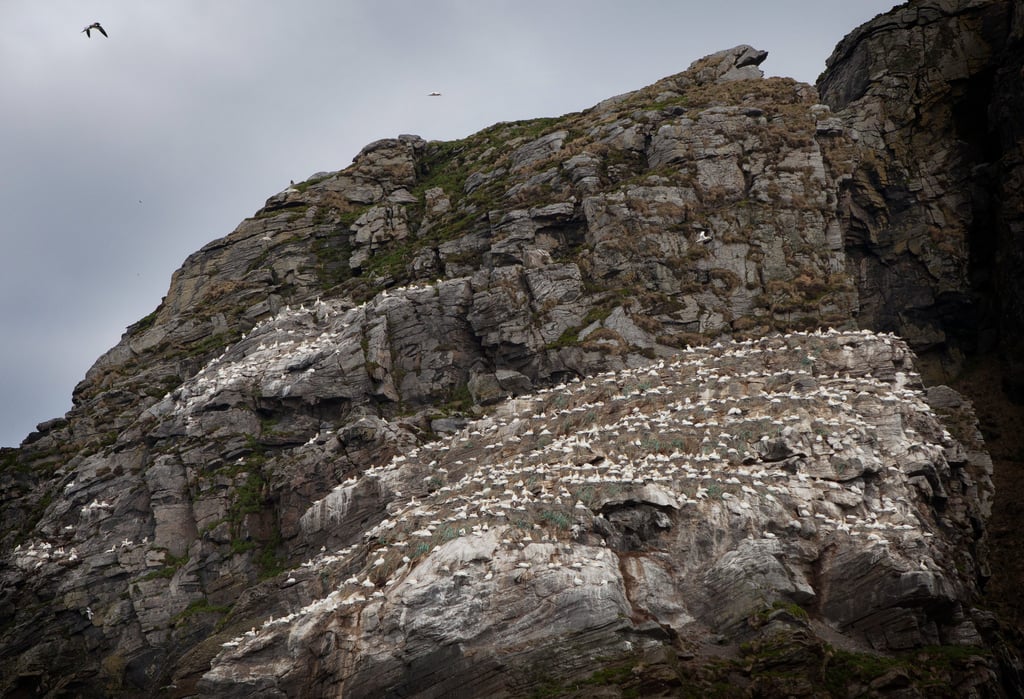
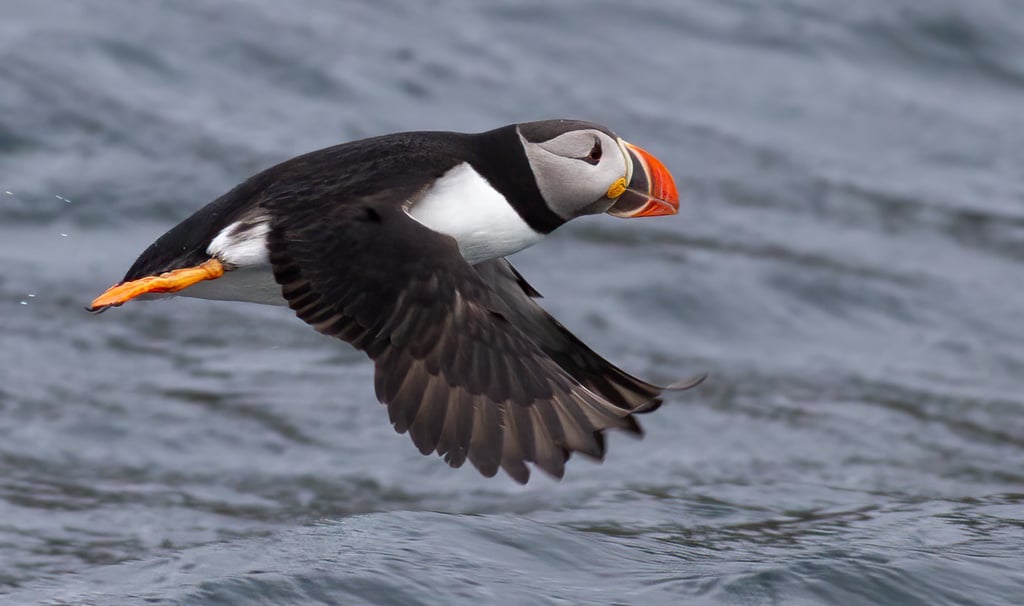
Alcids - mainly Razorbills, Guillemots and Puffins, Gjesværstappan 14 May 2013.
Razorbill Alca torda, Gjesværstappan 14 May 2013.
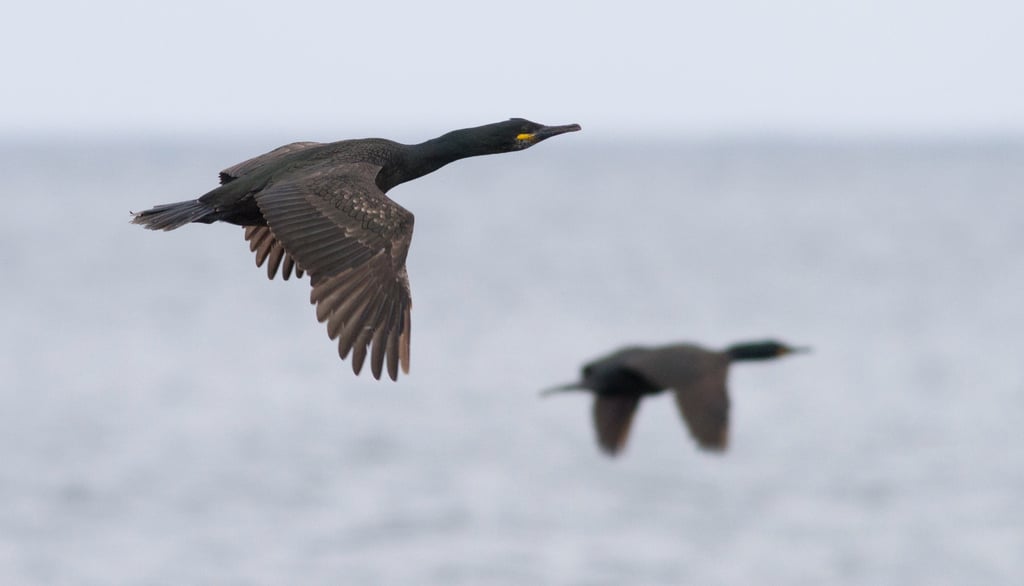
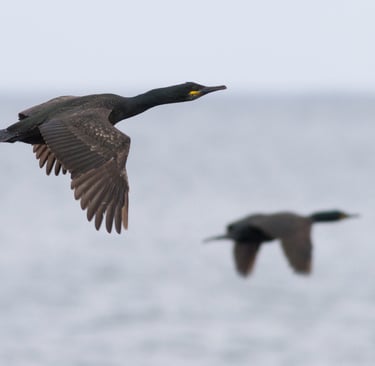
Shag Phalacrocorax aristotelis, Gjesværstappan 14 May 2013.
Atlantic Puffin Fratercula arctica, Gjesværstappan 14 May 2013.
Northern Gannet Morus bassanus, Gjesværstappan 14 May 2013.
Northern Gannet Morus bassanus, Gjesværstappan 14 May 2013.
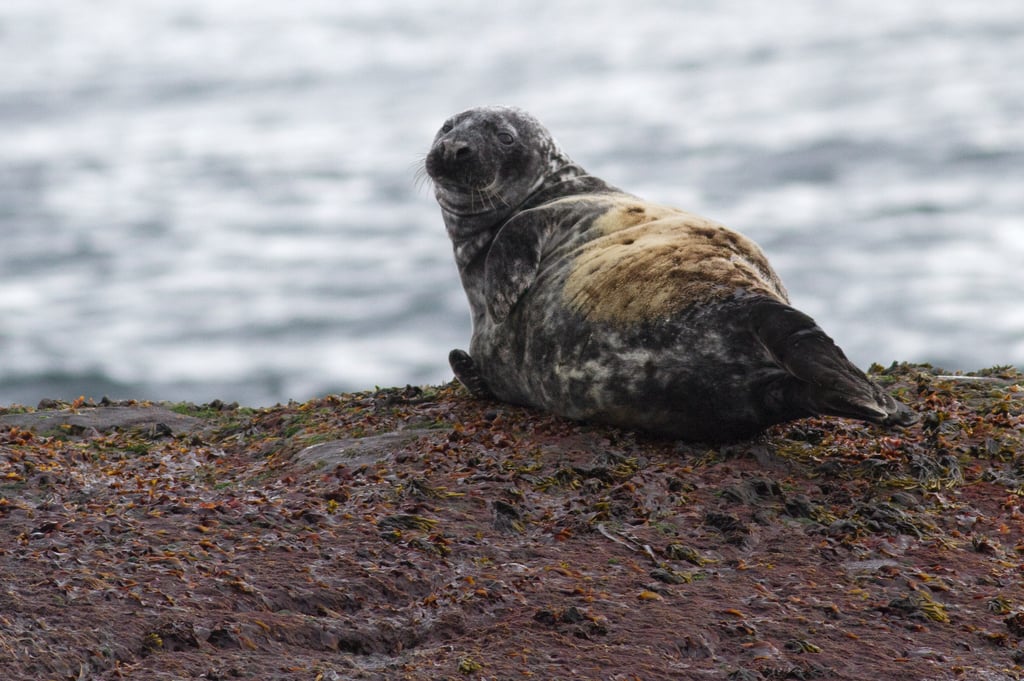
Harbour Seal Phoca vitulina, Gjesværstappan 14 May 2013.
Contact
Reach out for prints or collaborations by using the contact form
All content © Frode Falkenberg