
Birding along the fjord
From Lapwing fields on Halsnøy to nocturnal ducks at Låtevatn.
GENERAL
4/16/20263 min read
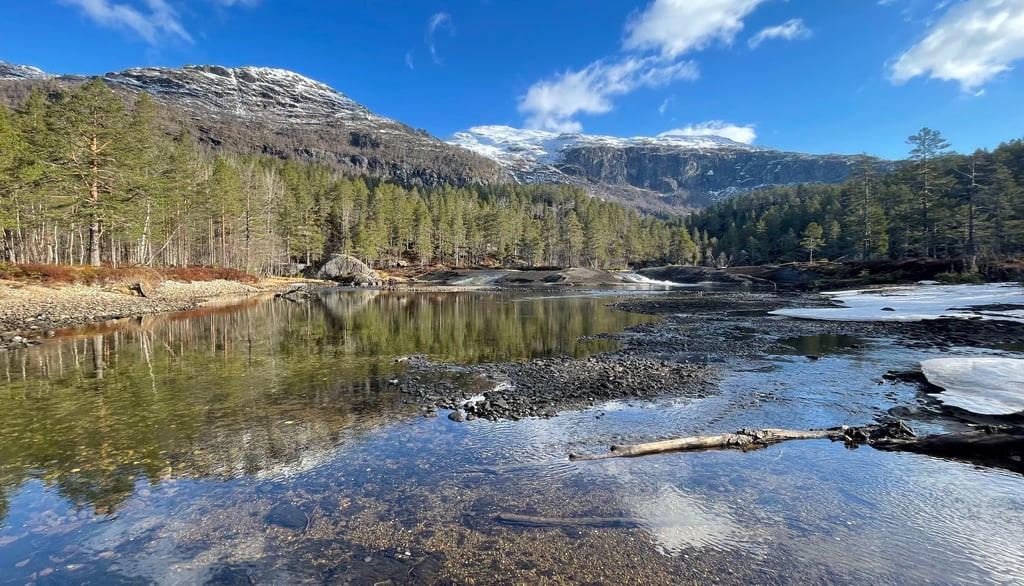
My recent trip to Hardanger became a journey through spring landscapes, fieldwork and an unexpected nocturnal show. It actually began a little earlier than planned. While driving through Fitjar on my way to Halsnøy, a second calendar year male Western Marsh Harrier migrated slowly over the car. It was only the second individual recorded in Hordaland in 2026. A brief encounter that set the tone for the days ahead.
The work itself started on Halsnøy, where our task was to install surveillance cameras in an active Lapwing colony. The goal is to identify which predators affect the breeding success of the Lapwings at the site. There are no Foxes or Badgers on the island, but a newly established Grey Heron colony nearby raises questions. Herons are opportunistic, and their presence so close to the nesting area feels ominous.
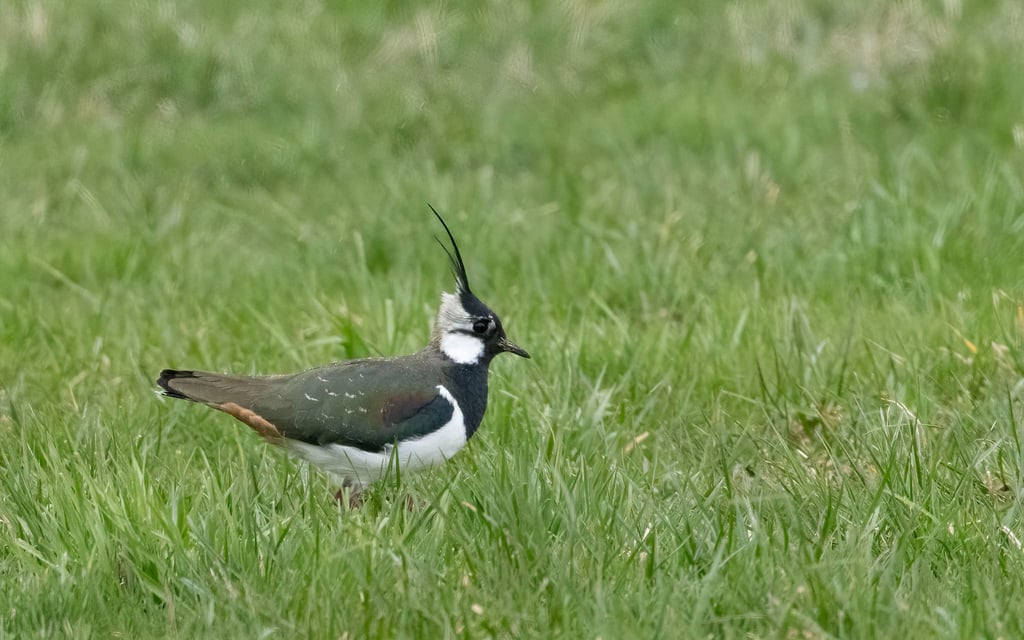
The Lapwing colony itself was thriving. Around twenty pairs had settled on the fields, and the birds were busy with territorial displays and incubation. Nine nests were located and marked for the farmer, ensuring he can avoid them when fertilizing the fields with his tractor. Small interventions like this can make a difference for a species that continues to struggle across much of Norway.
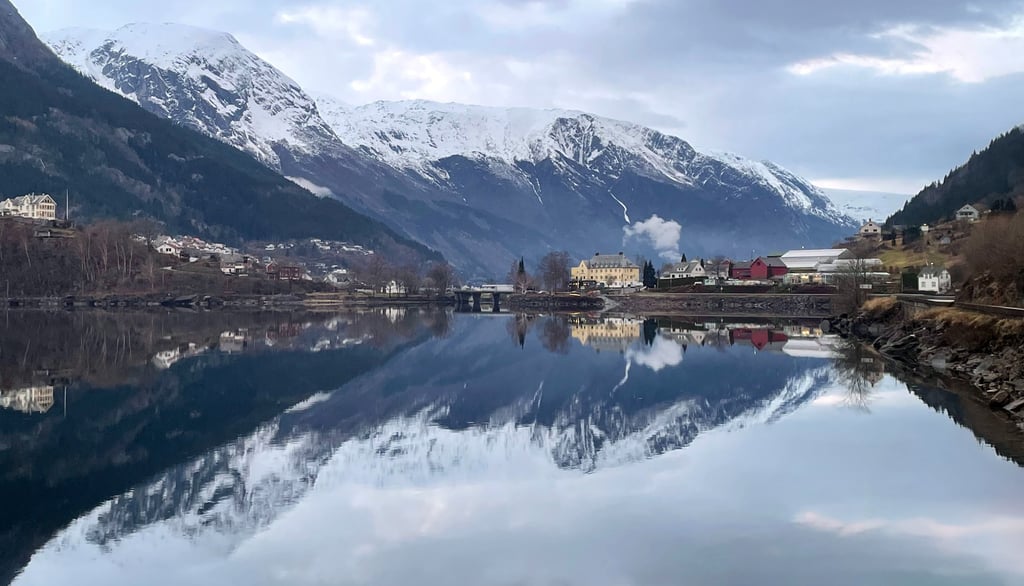

From Halsnøy I continued to Odda, where I gave a talk for BirdLife Hardanger on the Great Snipe, focusing on the Hardangervidda population and the species’ remarkable breeding biology. After the meeting I drove up the Odda valley and continued toward Låtevatn. The lake is at 500 meters above sea level, and was still partly frozen. Despite the ice, ducks were gathered in good numbers.
I set up a tarp and sleeping bag near the lake and spent the night observing with a thermal scope. As darkness settled, the ducks gradually quieted down. For a while the valley was completely still.
Then, sometime in the early hours, everything changed. In pitch darkness the ducks suddenly burst into activity. About 150 Mallards and Teals began calling intensely, the soundscape shifting from silence to a dense chorus of “blip” notes and excited quacking. The activity lasted for about an hour before many of the birds lifted and disappeared into the night, still long before first light. It was a vivid reminder of how much of bird activity happens outside the hours we birdwatchers normally observe.
The night also brought other encounters, including several Green Sandpipers, a couple of roding Woodcocks, a dozen Snipes, an Oystercatcher (only the third record for the area) and calling Tawny Owls - one of them delivering the abberrant Tengmalm's Owl-like “xylophone song” that only a minority of males produce.
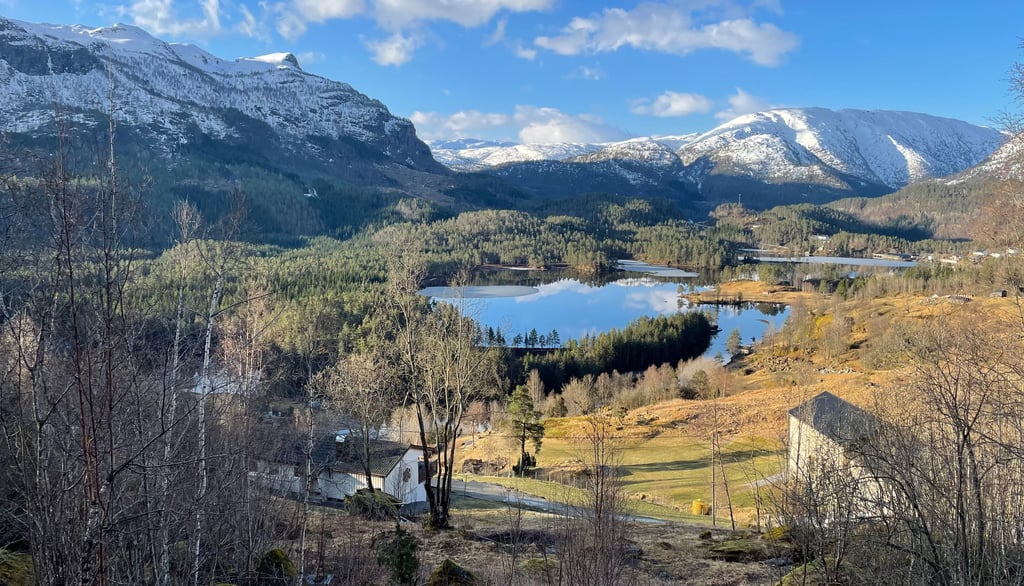
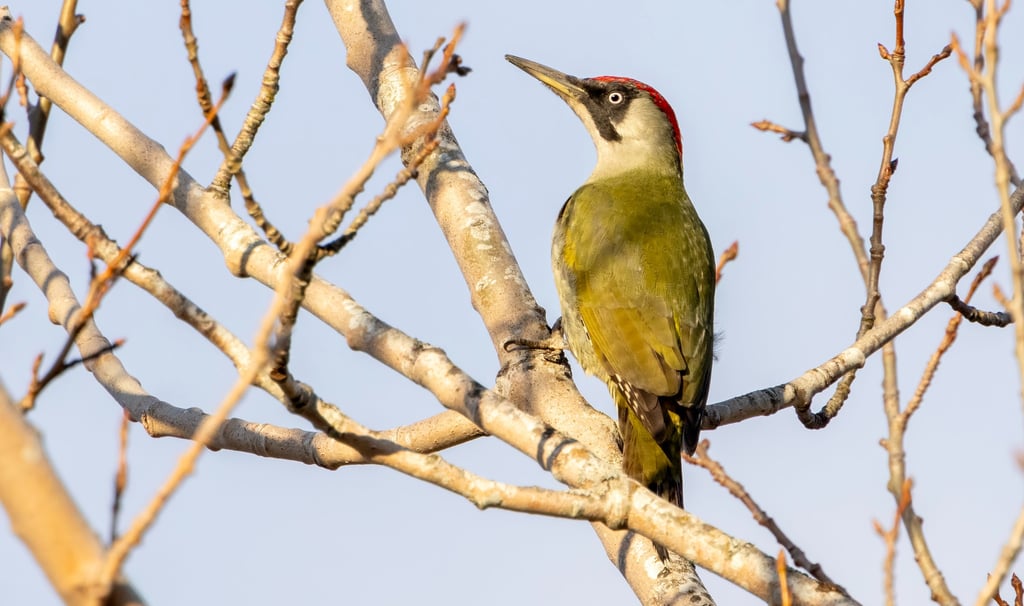
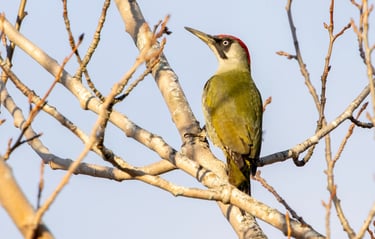
At seven I left the lake and continued up the valley to search for woodpeckers. Three hours birding in pine forest with scattered aspen proved productive. By ten o’clock I had recorded 16 woodpeckers: Lesser-spotted Woodpecker (1 drumming male), Great-spotted Woodpecker (4 drumming males and 2 females), White‑backed Woodpecker (2 drumming males and 1 female), Grey‑headed Woodpecker (2 calling males) and Green Woodpecker (5 calling males and 1 female).
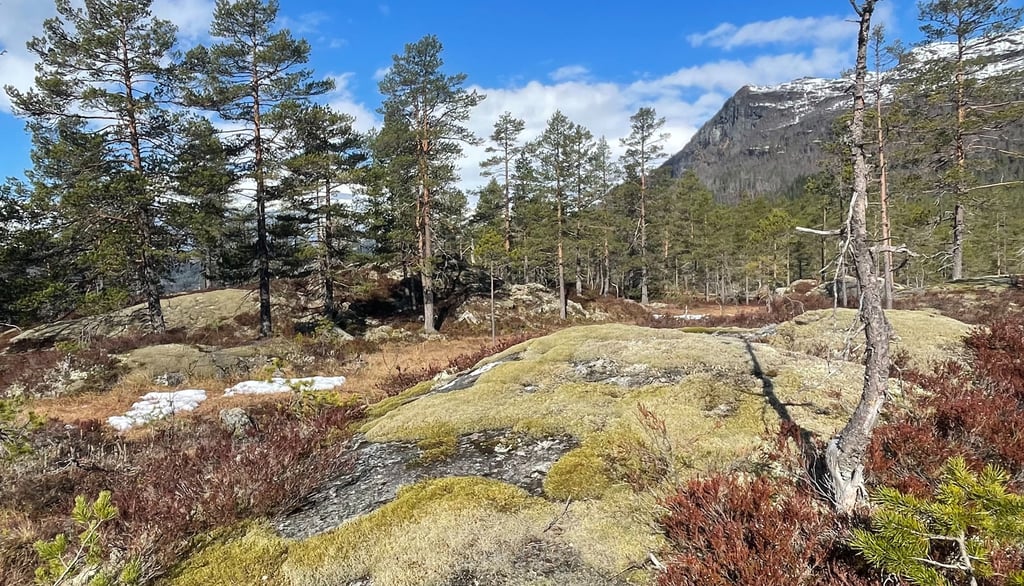
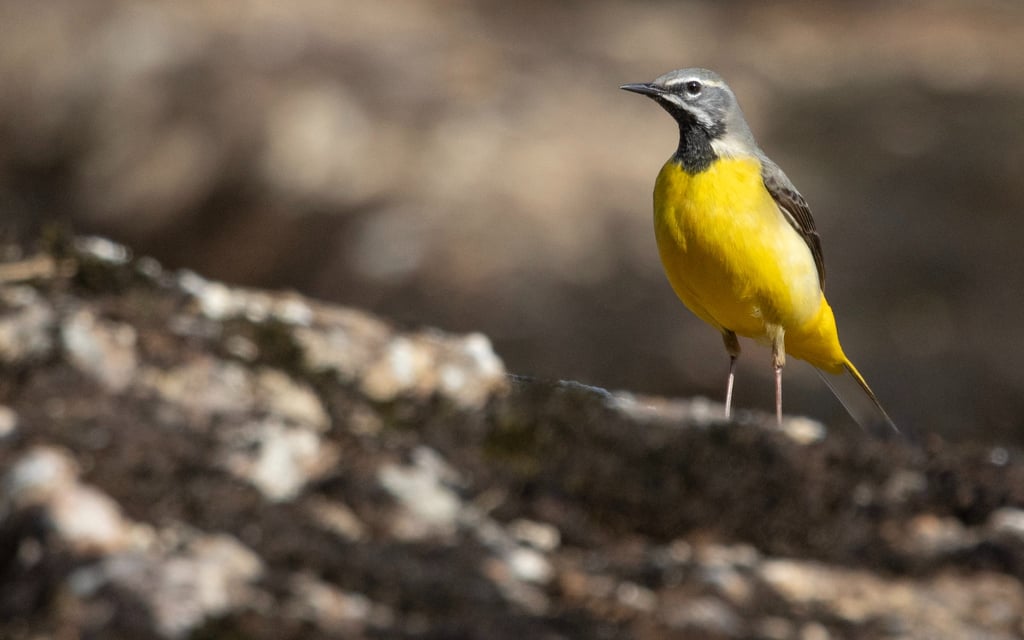
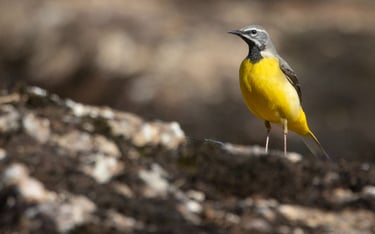
I left the Låtevatn area around eleven and drove north along Sørfjorden before crossing the Hardanger bridge and continuing toward Voss and home to Bergen. I had barely sat down in the car before I came across an anxious pair of Grey Wagtails that had established themselves under a bridge.
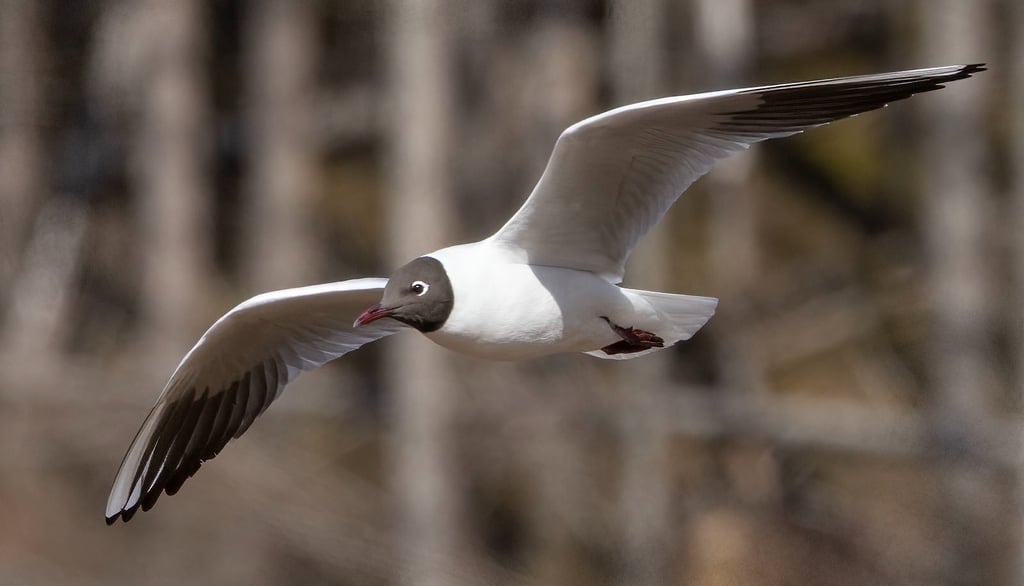
Otherwise, there was little birdwatching on the way home. Nine Black‑headed Gulls that were resting on the shoreline at Kinsarvik was the highlight. The species is in decline in Norway, and it’s a rare bird this far inside the Hardangerfjord.
A total of 70 species was seen during these two days (14th and 15th of April 2026).
Contact
Reach out for prints or collaborations by using the contact form
All content © Frode Falkenberg